Waterway Plastics
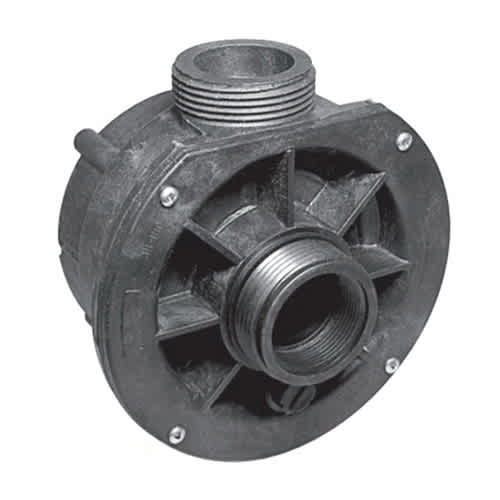
Waterway Plastics Center Discharge Pump Wet End, 2 HP | 310-1141
Waterway Plastics Center Discharge Pump Wet End, 2 HP | 310-1141
What This Part Is Used For
The Waterway Plastics 310-1141 Wet End Center Discharge is used as the hydraulic housing for compatible pool or spa pumps. It contains the impeller, diffuser, and internal water pathways that create flow. This wet end is paired with a 2 HP motor in circulation or feature pump applications. Center discharge orientation allows flexible plumbing layouts. It is commonly used in replacement or rebuild scenarios.
Why This Part Matters
The wet end determines how efficiently a pump moves water. Cracked housings, worn internals, or mismatched wet ends reduce flow and increase strain on the motor. Using the correct wet end restores hydraulic performance without replacing the entire pump. Incorrect discharge orientation can complicate plumbing or restrict flow. Selecting the proper wet end ensures reliable operation.
Key Features and Specifications
- Manufacturer SKU 310-1141
- Wet end assembly for pump applications
- Designed for 2 HP motor compatibility
- Center discharge outlet configuration
- Houses impeller and diffuser components
- Used in pool and spa circulation systems
- Supports pump rebuild or replacement needs
Installation and Fitment Guidance
The wet end mounts directly to a compatible motor frame. Installers transfer internal components or install new matched parts as required. Plumbing alignment should be checked before final tightening. Compatibility depends on motor frame and pump series. Confirm by manufacturer part number before ordering.
About the Waterway Plastics Brand
Waterway Plastics produces wet ends designed to integrate seamlessly with their pump motors. Their designs prioritize hydraulic efficiency and service access. Builders and technicians rely on Waterway wet ends for rebuilds. The brand maintains consistent dimensions across product lines. Waterway components are widely supported in the field.
Common Service Context
This wet end is commonly replaced when housings crack or leak. Technicians encounter it during pump rebuilds. It is often selected to restore performance without full pump replacement. Professionals recognize the center discharge layout during installation.